Custom Structural Steel Buildings for Industrial & Commercial Projects
Factory-direct structural steel building solutions for warehouses, workshops, factories and large-span industrial buildings. Custom design, professional engineering, manufacturing and project support for global customers.
Get a Project QuoteStructural Steel Building Manufacturer
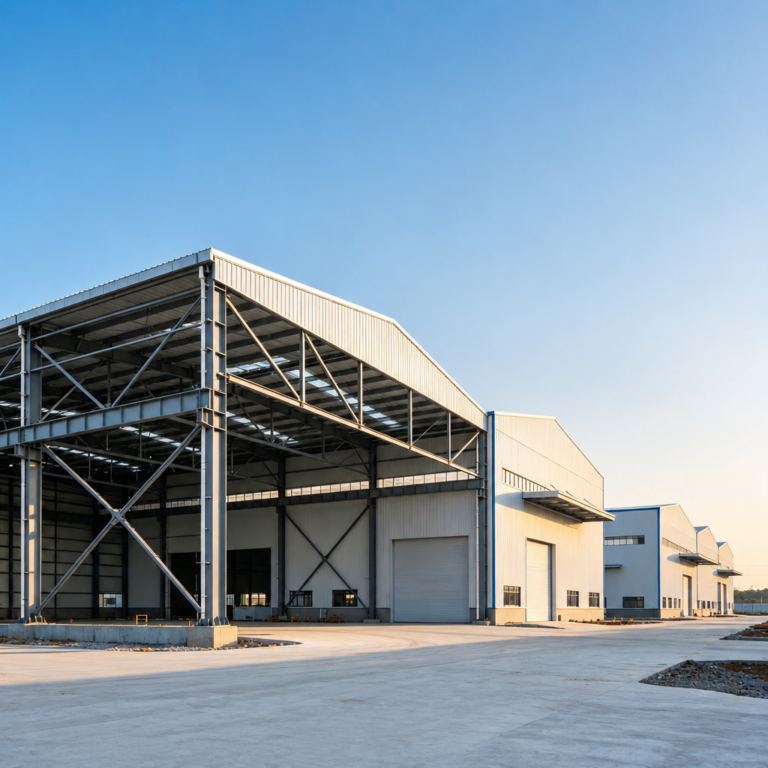
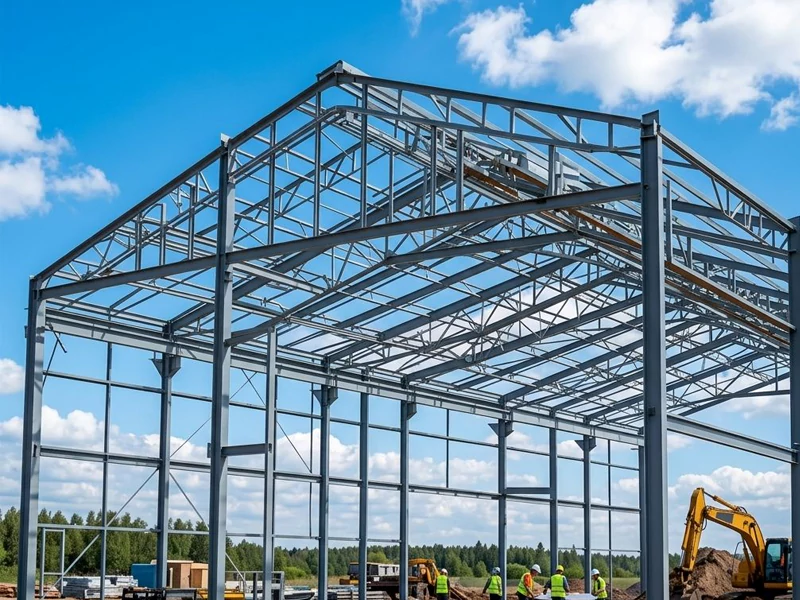
Structural steel buildings provide a practical solution for industrial, commercial and large-scale construction projects. Compared with traditional construction methods, prefabricated steel structures can offer faster installation, flexible layouts and efficient use of building space.
We provide customized steel building solutions based on project size, building layout, local requirements and application. Our solutions can include the primary steel frame, secondary steel members, roofing system, wall system, doors, windows and related components.
Why Choose a Prefabricated Steel Building?
Steel building dimensions, span, height, layout and structural configuration can be customized according to project requirements.
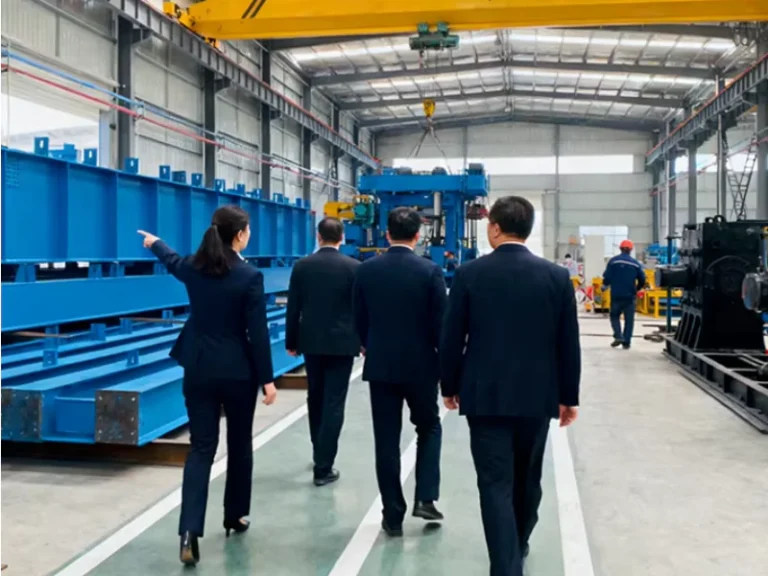
Factory production helps control manufacturing quality, project consistency and production schedules.
Suitable for warehouses, workshops, factories and other buildings requiring large usable interior spaces.
Steel frames allow flexible interior layouts for production, storage and commercial applications.
Technical support can be provided throughout design, production, transportation and installation stages.
Customized solutions can be prepared for different project sizes, markets and construction requirements.
Steel Structure Building Applications
Our structural steel building solutions are suitable for a wide range of industrial and commercial applications.
Large storage buildings, logistics warehouses and distribution centers.
Manufacturing, processing and industrial production workshops.
Industrial facilities requiring durable structural frames and flexible layouts.
Buildings requiring wide interior spaces with fewer internal columns.
Large-span steel structures for aircraft maintenance and storage.
Custom steel structures for commercial and industrial projects.
Customized Steel Building Specifications
Every project has different structural and functional requirements. We can develop a customized solution according to your project information.
| Item | Customization |
|---|---|
| Building Type | Warehouse / Workshop / Factory / Hangar / Industrial Building |
| Building Size | Customized according to project requirements |
| Building Span | Designed according to structural requirements |
| Building Height | Customized according to application |
| Roof System | Customized roofing solutions |
| Wall System | Customized wall panel solutions |
| Surface Treatment | Painting / Galvanizing according to project requirements |
| Project Support | Design / Manufacturing / Technical Support |
From Design to Manufacturing
Share your building size, application, location and basic project requirements with our team.
Our technical team develops a suitable structural solution based on the project requirements.
Steel components are manufactured according to the approved project specifications.
Production and finished components are checked before shipment.
Components are prepared and arranged according to the project transportation requirements.
Technical information and installation guidance can be provided according to the project requirements.
What Information Do We Need for a Steel Building Quote?
To prepare a more accurate quotation, please provide as much of the following information as possible:
- Building length and width
- Building height
- Required building span
- Project location
- Building application
- Roof and wall requirements
- Quantity or estimated project size
- Drawings or site plans, if available
If you do not have complete drawings, you can simply send us the basic dimensions and application of your project. Our team can help determine the next technical requirements.
Frequently Asked Questions
Can you customize the steel building according to our project?
Yes. Steel building dimensions, layout, structural configuration, roofing and wall systems can be customized according to project requirements.
Do you provide design and engineering support?
Yes. Project design and technical support can be provided according to the requirements of the building.
What types of steel buildings do you manufacture?
We focus on industrial and commercial steel buildings including warehouses, workshops, factories and large-span structures.
Can I send my existing building drawings?
Yes. Existing drawings, dimensions, site plans or project specifications can be provided for evaluation and quotation.
How can I get a quotation?
Send us your project dimensions, application, location and any available drawings. Our team will review the information and provide a suitable solution.
Start Your Steel Building Project
Looking for a reliable supplier for your warehouse, workshop or industrial steel building project? Send us your project requirements and drawings.
Request a Quote