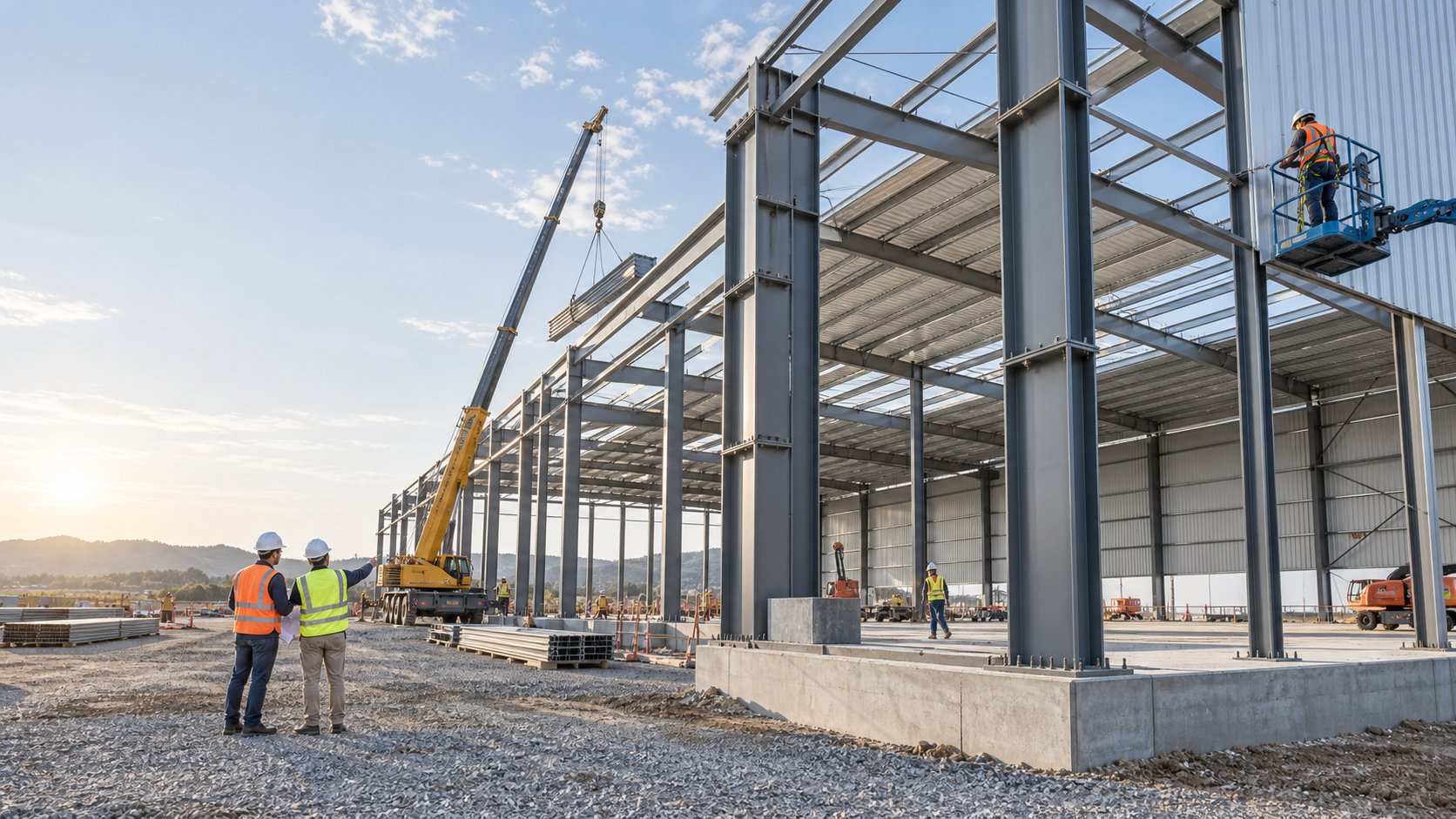
Steel structures are widely used for factories, warehouses, workshops, logistics centers, aircraft hangars, and commercial buildings. Their advantages include efficient construction, flexible layouts, long spans, and convenient future expansion.
However, manufacturing the steel components is only part of the project. Transportation, lifting, alignment, bolting, welding, roof installation, and final inspection can all affect structural safety, construction progress, and long-term building performance. Choosing the right steel structure installation company is therefore one of the most important decisions a project owner will make.
Price matters, but it should never be the only consideration. A reliable contractor must also demonstrate strong engineering capabilities, relevant experience, effective safety management, and a transparent quality-control process.
What Does a Steel Structure Installation Company Do?
A professional steel structure installation contractor may be responsible for:
- Reviewing construction and erection drawings
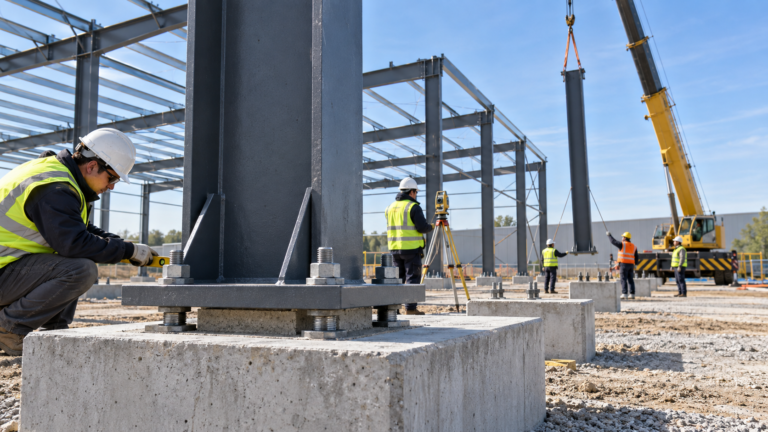
- Inspecting foundations and anchor bolts
- Receiving and storing steel components
- Preparing lifting and erection plans
- Installing columns, beams, bracing, and secondary members
- Completing bolted and welded connections
- Checking elevations, alignment, and verticality
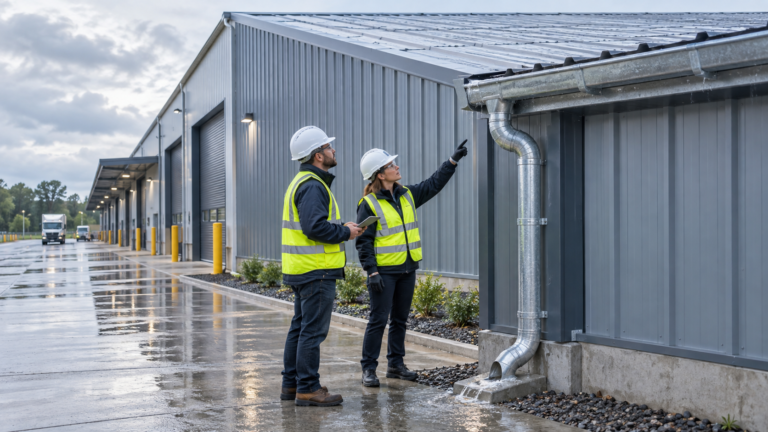
- Installing roofing and wall cladding
- Conducting inspections and correcting defects
- Preparing handover and warranty documents
These activities are closely connected. An error in the anchor-bolt position, for example, can prevent a steel column from being installed correctly. An unsuitable lifting sequence may create temporary instability or cause unnecessary project delays. The contractor should therefore manage the complete erection process rather than simply provide workers and lifting equipment.
1. Relevant Project Experience
Steel buildings can differ significantly in size, structural system, operating conditions, and installation complexity. A standard warehouse does not have the same requirements as a heavy industrial plant, crane-supported workshop, cold-storage facility, or long-span building.
Before selecting a company, ask whether it has completed buildings of a comparable size and span, worked with similar structural systems, and delivered projects in your country or region. Request verifiable project references and confirm that an experienced project manager will supervise the work. Comparable experience is more valuable than the total number of projects in a company profile.
2. Engineering and Construction Coordination
Steel erection should not be treated as an isolated construction activity. Connection design, component dimensions, transportation limitations, lifting methods, and site access must be coordinated before installation begins.
A qualified contractor should conduct a pre-installation drawing review covering component identification, erection sequences, connection details, delivery arrangements, crane positions, temporary bracing, worker access, and possible conflicts with utilities or other trades. Early coordination reduces downtime, rework, and unexpected site costs.
3. Quality-Control Procedures
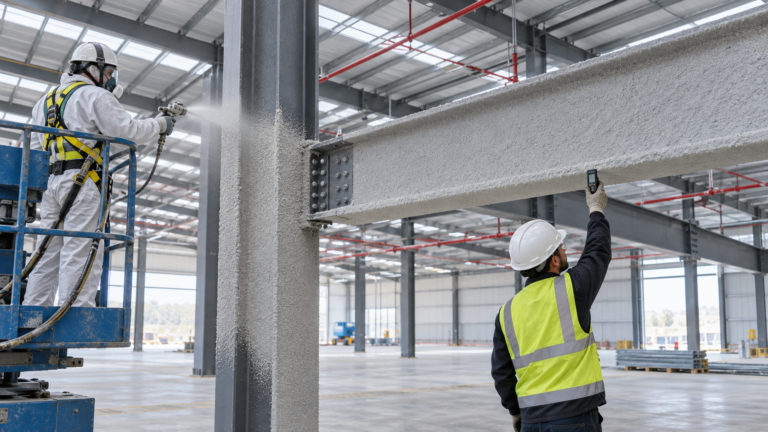
Quality should be controlled throughout the project, not inspected only after the building has been erected. The contractor should verify component dimensions and identification, material documentation, high-strength bolt installation, field-weld quality, column verticality, beam elevations, structural alignment, protective coatings, and the weatherproofing of the roof and walls.
Project owners should establish inspection responsibilities and acceptance criteria before construction begins. Documented checks make it easier to identify problems early and prevent disagreements during final handover.
4. Site Safety Management
Structural steel erection involves heavy lifting, elevated work, mobile equipment, temporary structural conditions, welding, and electrical hazards. A professional contractor should prepare a project-specific safety plan rather than rely solely on generic safety documents.
The plan should cover lifting risk assessments, equipment inspections, fall-protection systems, temporary stability, hot-work controls, exclusion zones, severe-weather procedures, and emergency arrangements. Workers must also receive appropriate training and personal protective equipment.
5. A Realistic Construction Schedule
Speed is one of the main advantages of steel construction, but a short completion date must still be supported by a practical plan. The erection schedule should consider foundation readiness, component deliveries, storage space, erection sequences, equipment availability, workforce allocation, roofing and cladding work, weather conditions, and coordination with other contractors.
Ask how the company will respond if materials arrive late or adverse weather interrupts the work. A realistic, well-managed schedule is more valuable than an unsupported promise to be the fastest contractor.
6. A Clear and Transparent Quotation
The lowest initial quotation does not always produce the lowest final project cost. Confirm whether each proposal includes transportation, unloading, cranes, access equipment, installation accessories, temporary bracing, inspections, safety facilities, touch-up painting, defect correction, handover documents, and warranty service.
All bidders should price the same scope of work. Otherwise, a low quotation may simply exclude important activities that later appear as additional charges.
7. Handover and After-Sales Support
The contractor’s responsibility should not end after the last roof panel is installed. A complete handover package may include material certificates, inspection records, alignment reports, connection records, as-built drawings, outstanding-work lists, maintenance recommendations, and warranty terms.
Clear after-sales support is especially important for issues involving roof leakage, coating damage, loose components, or connection defects. An established warranty process can reduce the owner’s long-term maintenance risk.
10 Questions to Ask Before Signing a Contract
- Which completed projects are most similar to ours?
- Who will manage the project and supervise the site?
- How will you inspect the foundations and anchor bolts?
- Can you provide a detailed erection and lifting plan?
- How will bolted connections and field welds be inspected?
- How will you control structural alignment and verticality?
- Which cranes and access equipment will be assigned?
- How will you manage delays caused by weather or deliveries?
- Which items are excluded from your quotation?
- What documents and warranty support will be provided after completion?
Common Mistakes to Avoid
Choosing on Price Alone
A low price may result from missing scope, inadequate equipment, or limited quality-control resources. Additional charges, delays, and rework can quickly eliminate the initial saving.
Reviewing the Company but Not the Project Team
A contractor may have an impressive company profile, but the capabilities of the assigned project manager, engineers, and erection crew will determine the actual result.
Skipping Pre-Installation Inspections
Foundation, anchor-bolt, and component problems should be identified before lifting begins. Discovering them during erection can stop the entire operation.
Using Vague Acceptance Requirements
Statements such as “work shall comply with industry standards” may be open to interpretation. Important inspection criteria and documentation requirements should be clearly defined in the contract.
Final Thoughts
Selecting a steel structure installation company is ultimately a risk-management decision. The right contractor must do more than assemble columns and beams. It should be capable of coordinating engineering information, controlling quality, managing safety, maintaining the schedule, and supporting the building after completion.
By reviewing comparable experience, technical capability, quotation scope, project personnel, and documented procedures, owners can reduce the risk of delays and rework while achieving more reliable long-term building performance.
Planning a steel factory, warehouse, workshop, or other industrial building? Contact Yuhui Steel with your project location, building dimensions, intended use, and expected completion date. Our team will help you evaluate the requirements and prepare a suitable steel-building solution.